How to use this page
How this page helps you choose the right skid steer loader
Choosing the right skid steer loader comes down to a handful of decisions. Here we walk you through the ones that matter most to help you make a choice that meets your needs and your budget, without any expensive surprises after delivery. When you're ready, use our popular Get Quotes option to connect with verified Australian suppliers so you can compare quotes and buy with confidence.
Common setups
The three most common skid steer loader setups
Mini and stand-on
Mini skid steer loaders for sale
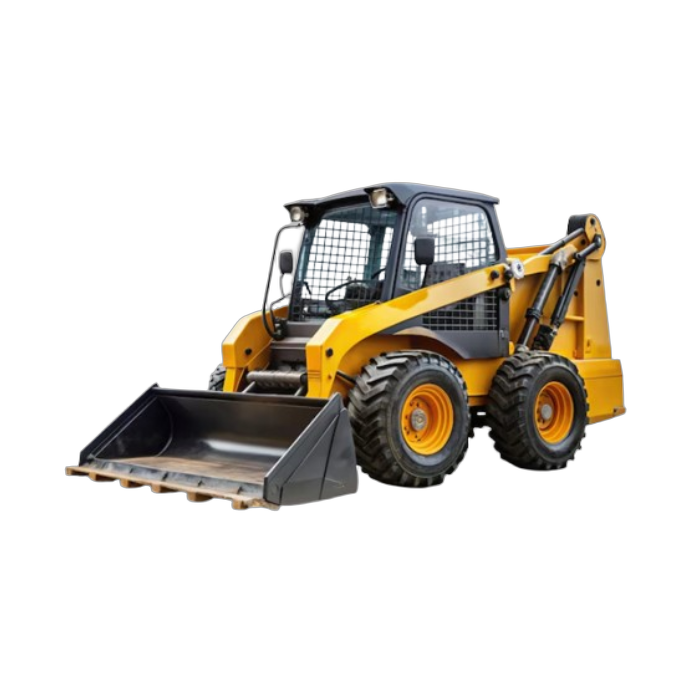
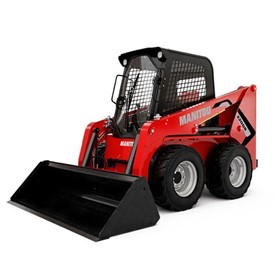
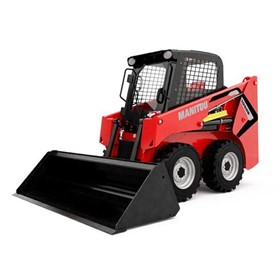
A mini or stand-on skid steer loader is a compact machine you walk behind or ride on, built for tight access where a full-size machine cannot fit. It trades capacity for size, so it suits landscaping, light material handling, and work through standard gateways and doorways. If you are looking at a mini skid steer loader for sale, the trade-off is reach and lift capacity against access and transport. Buyers also search for a compact skid steer loader. That usually means one of these minis or a small full-size wheeled machine, not a compact track loader, which runs on rubber tracks and is covered further down.
| What to expect | Mini / stand-on skid steer |
|---|---|
| Typical price | $20,000 - $50,000 (ex GST) |
| Best-fit jobs | Tight access, landscaping, light material handling |
| Access | Fits through gates and doorways a full-size machine cannot |
| Trade-off | Lower capacity and reach than a full-size skid steer |
Cost breakdown
What a skid steer loader costs, and prices for sale
A new skid steer loader runs from about $30,000 to $80,000, with most full-size machines landing between $45,000 and $65,000. The two biggest price drivers are wheels or tracks, and standard or high-flow hydraulics. A compact track loader costs more than the same-size wheeled machine, and high-flow hydraulics add a few thousand on top. Skid steer loader prices for sale move most on wheels versus tracks and standard versus high-flow hydraulics.
| Machine size | Typical price AUD, ex GST, Australian supplier | Common buyer |
|---|---|---|
| Mini / stand-on | $20,000 - $50,000 | Landscaping, tight access, light material handling |
| Small wheeled (under 750kg ROC) | $30,000 - $48,000 | Hire fleets, light site work, hardstand and yards |
| Full-size wheeled (750kg+ ROC) | $45,000 - $65,000 | Most common for civil and general contracting |
| Compact track loader (CTL) | $55,000 - $90,000+ | Soft ground, landscaping, mulching, attachment work |
Wheeled or tracked
Matching the drive type to the ground you work on
This is the decision that shapes every quote. The same job done on a sealed yard suits a wheeled skid steer. The same job on mud, sand, or a slope suits a compact track loader. Ground conditions and ownership cost split them, so settle this before you compare anything else.
Radial or vertical lift
How the lift path changes what the machine is good at
The lift path is how the arms move as they raise the bucket. It changes what the machine is good at, and it is set when you buy, so it belongs in your quote request. Most buyers pick on whether they dig at ground level or load up high.
Capacity and size
Sizing the loader to your load and your trailer
Rated operating capacity (ROC) is the load a skid steer can safely lift and carry, set as a share of its tipping load. Size to your heaviest regular load plus headroom, not the maximum you might lift once. Too small and you tip or strain it; too big and you pay for capacity you never use.
| Capacity (ROC) | Typical use |
|---|---|
| Under 700kg | Light landscaping, tight access, small material handling |
| 700 - 1,000kg | General contracting, hire fleets, the common all-round size |
| 1,000 - 1,400kg | Civil work, heavier loads, attachment-driven jobs |
| 1,400kg+ | Large civil and earthmoving, demanding high-flow attachments |
Hydraulics and attachments
Standard or high-flow, and what each can run
The auxiliary hydraulics are what power your attachments, and they decide which ones you can run at all. This is the spec buyers most often get wrong. If you plan to run anything beyond a bucket, get the flow right before you sign.
- Standard flow: around 8 to 30 gallons per minute. Runs buckets, forks, sweepers, light augers, and grapples. Fine for most general work.
- High-flow: around 30 to 50 gallons per minute. Needed to run power-hungry attachments like trenchers, mulchers, cold planers, stump grinders, and large augers at full speed.
- Match the attachment to the machine: an attachment starved of flow stalls and underperforms. The attachment maker lists a flow range, so confirm your machine sits inside it before you buy either one.
- High-flow is a buy-time choice: it is far cheaper to spec it up front than to retrofit later, so decide now even if the attachment comes next year.
Coupler and quick-hitch
Swapping tools and what to quote with the machine
A skid steer is a carrier. Most of its value comes from how fast you can swap tools and how many your machine can run. The coupler and the attachment list belong in the same conversation as the machine.
| Attachment | What it does and what it needs |
|---|---|
| 4-in-1 bucket | Load, dig, grab, and dozer-blade in one. The most common first attachment. |
| Pallet forks | Turn the machine into a loader for pallets and crates. Standard flow. |
| Auger | Bores holes for posts and footings. Larger sizes want high-flow. |
| Trencher | Cuts narrow trenches for pipe and cable. High-flow for deep or rocky ground. |
| Mulcher / grinder | Clears vegetation and stumps. High-flow and the power to match. |
New vs used
New and used skid steer loaders for sale
A well-kept used skid steer can deliver most of the value of a new one for less. The wear that matters here is not just the hour meter. On a track loader the undercarriage holds much of the value, and on any machine the hydraulics and pins tell the real story.
Ownership costs
What the loader costs to run and own over five years
Purchase price is only part of what you spend over five years. The rest is fuel, servicing, and wear parts. On a track loader the undercarriage is the single biggest running cost, which is why a wheeled machine can be cheaper to own even when it costs the same to buy.
| Cost per year | Typical range around 1,000 hours/year, full-size machine |
|---|---|
| Diesel | $3,000 - $7,000 |
| Routine servicing | $1,200 - $2,500 |
| Tyres or tracks (amortised) | $800 - $4,000 |
| Wear parts and pins | $500 - $1,500 |
| Unscheduled repairs | $500 - $2,500 |
Decide before you quote
What to decide before you request quotes
Get these requirements clear upfront and suppliers can provide accurate skid steer loader quotes the first time, rather than making assumptions.
| 1 | Wheels or tracks: based on the ground you work on most. If you split your time, say so and ask each supplier which suits your mix. |
| 2 | Capacity and lift path: your heaviest regular load plus 20% headroom, and whether you mostly dig at ground level (radial) or load high (vertical). |
| 3 | Hydraulic flow: standard or high-flow, set by the attachments you plan to run. This is hard to add later, so decide now. |
| 4 | Attachments and coupler: the tools you need with the machine, and whether you want a hydraulic quick-hitch. This shapes the package price. |
| 5 | Budget basis: whether you are comparing on purchase price or monthly finance, so suppliers quote the structure that fits your cash flow. |
Finance options
Finance options for your skid steer loader purchase
A skid steer loader is a large upfront cost, and attachments add to it. To spread that into a monthly repayment, many buyers look at equipment finance alongside the quote comparison. What finance looks like for your business comes down to the answers below.
| Finance question | What it helps you decide | Why it matters |
|---|---|---|
| What could the monthly repayment be? | Whether the machine fits your monthly cash flow before committing to a quote. | Most skid steers sit in a price range where the monthly repayment is easier to weigh against the work it wins you than the upfront cost alone. |
| Am I likely to get approved? | Whether your business, trading history, and the machine's value are financeable. | IndustrySearch finance works across a panel of lenders, which can improve the chance of finding a suitable approval pathway. |
| Which finance structure suits the purchase? | Whether to compare options such as chattel mortgage, lease, rental, balloon payment, or low-deposit finance. | The right structure can affect ownership, monthly cost, cash flow, and how quickly you can move ahead. |
| Can I rent to own or finance with low deposit? | Whether to spread the cost or move on a machine now with limited upfront capital. | Rent-to-own and low-deposit structures are common for skid steers and can get you working sooner; IndustrySearch finance compares options across a lender panel. |
Finance calculator
Estimate my repayment
Adjust the sliders to estimate your skid steer loader repayments. Speak with our team for an exact quote based on your profile.
Compare quotes and finance options for skid steer loaders.
Common questions
Skid steer loader questions buyers commonly ask
Quick answers to the most-searched questions about skid steer loaders and how IndustrySearch works.
Why use IndustrySearch to buy a skid steer loader?
Most buyers want to compare a few quotes before committing, and on skid steers the wheels-or-tracks choice, the hydraulic flow, and the attachment package make quotes harder to line up. IndustrySearch gets you 3+ quotes from verified Australian suppliers in one go, covering new, used, and skidsteer or skid loader listings from brands like Bobcat, Caterpillar, Kubota, Case and Takeuchi, so you can compare price, drive type, lift path, hydraulics, and attachments side by side without ringing around dealers one by one.
Does it cost more to buy a skid steer loader through IndustrySearch?
No. The service is free for buyers, and suppliers quote you their normal direct prices with no markup. Getting multiple quotes side by side often sharpens pricing because suppliers know they are competing for your job.
Why do suppliers list with IndustrySearch?
IndustrySearch has connected Australian buyers with industrial equipment suppliers since 2005. Suppliers list with us because they get pre-qualified leads from buyers who are actively in market, rather than tyre-kickers from generic search. Every supplier is vetted before listing, so you only see reputable Australian brands with the service capability to back up what they sell.
Do I need a licence to operate a skid steer loader?
There is no High Risk Work Licence for skid steer loaders in Australia. Work health and safety regulators class them as front end loaders of the skid steer type, for which no licence exists. Instead, under work health and safety law the employer (the PCBU) must make sure operators receive adequate information, training, instruction, and supervision. Most do this with a Verification of Competency, commonly the nationally recognised unit RIIMPO318F. Check your state regulator, since the duty sits in each state work health and safety law. A White Card is also needed to access a construction site.
What is the difference between a skid steer and a compact track loader?
A skid steer runs on wheels; a compact track loader runs on rubber tracks. Wheels cost less to buy and run and are faster on hard ground. Tracks spread the weight, so they float over mud, sand, and soft ground and grip better on slopes, but the undercarriage costs more to buy and to replace. Pick on the ground you work on most.
What is the difference between radial and vertical lift?
Radial lift arms swing in an arc with the most reach in the middle, which suits digging and ground-level work. Vertical lift arms rise straight up and hold more capacity and reach at full height, which suits loading trucks and stacking. Radial usually costs less; vertical handles loading high better.
Do I need high-flow hydraulics?
Only if you run power-hungry attachments. Buckets, forks, sweepers, and light augers run on standard flow. Trenchers, mulchers, cold planers, stump grinders, and large augers need high-flow to work at full speed. High-flow is far cheaper to spec when you buy than to retrofit, so decide based on the attachments you plan to run.
Are skid steer attachments interchangeable between brands?
Mostly, yes. Most skid steers use the universal quick-hitch mount, so buckets, forks, and other tools swap across brands. Confirm the coupler and the hydraulic connections before you assume an old attachment will fit, and check that your machine has the flow and pressure the attachment needs.
How do I transport a skid steer between sites?
On a trailer or truck sized to the machine's operating weight. A bigger machine needs a heavier trailer and the right licence to tow it, which is a real cost if you move it often. Check the operating weight against your tow vehicle and trailer capacity before you settle on a size.
How long does finance pre-approval take?
Equipment finance pre-approval is usually quick, often within 1-2 business days once you provide basic business and financial details. Pre-approval lets you compare quotes knowing your monthly cost and borrowing capacity, without committing to a purchase.
What documents do I need to apply for equipment finance?
For most equipment finance under a set threshold, lenders ask for limited paperwork: your business ABN and trading history, recent bank statements, and details of the machine being financed. Larger amounts can need business financials or tax returns. IndustrySearch finance works across a panel of lenders, so the exact requirements vary by amount and lender.
Why IndustrySearch
Why buyers choose IndustrySearch
Helping Australian industrial buyers compare suppliers since 2005.