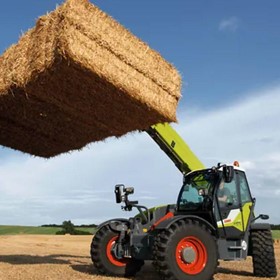

What is the maximum lifting capacity of the telehandler?
The maximum lifting capacity of a telehandler varies depending on the model and manufacturer. Some telehandlers have a lifting capacity of less than 5,000 pounds, while others can lift up to 20,000 pounds or more. It is important to consult the manufacturer's specifications and guidelines to determine the maximum lifting capacity of a specific telehandler model. Additionally, operators should always follow proper safety procedures and never exceed the recommended lifting capacity to prevent accidents and damage to the equipment.
What is the maximum lift height?
A telehandler, also known as a telescopic handler, is a type of heavy equipment commonly used in construction and agriculture. It is designed to lift and move heavy loads using its extending boom and fork attachment. The maximum lift height of a telehandler depends on its model and specifications, but generally ranges from 16 to 60 feet. Some advanced models can reach up to 80 feet. It is important to note that the maximum lift capacity decreases as the lift height increases, so operators need to be aware of the equipment's limitations and follow safety guidelines.
What is the maximum reach?
A telehandler, also known as a telescopic handler or a telehandler forklift, has a maximum reach of approximately 30-60 feet, depending on the model and manufacturer. This reach is achieved through the use of a telescopic boom that can extend and retract to reach high or distant objects. The maximum reach of a telehandler can also be affected by factors such as the weight and size of the load being lifted, the angle of the boom, and any obstacles or obstructions in the work area.
What is the fuel consumption?
Generally, telehandlers are known to have better fuel efficiency than larger construction equipment, but it is still important to check the manufacturer's specifications to determine the specific fuel consumption of a particular machine.
What are the safety features of the telehandler?
Is a versatile machine that is commonly used in construction, agriculture, and other industries. It is designed to lift and move heavy loads, and it comes with various safety features to ensure safe operation. Here are some of the safety features of the telehandler:
Load management system: The load management system is an essential safety feature that helps prevent overloading and tipping. It includes sensors that monitor the weight and position of the load and provide warnings if the load is too heavy or unbalanced.
Outriggers: The outriggers are hydraulic legs that extend from the sides of the telehandler to provide stability when lifting heavy loads. They are designed to prevent the telehandler from tipping over.
Cab protection: The cab of the telehandler is designed to protect the operator from falling objects and debris. It is made of reinforced glass and steel and is equipped with a roll cage.
Anti-tip devices: Anti-tip devices are installed on the telehandler to prevent it from tipping over. These devices include sensors that detect if the telehandler is leaning too far and automatically apply the brakes.
Emergency stop button: The emergency stop button is a safety feature that allows the operator to quickly stop the telehandler in case of an emergency. It is usually located on the control panel within easy reach of the operator.
Seat belt: The telehandler is equipped with a seat belt to keep the operator securely in their seat. The seat belt is designed to prevent the operator from being ejected from the cab in case of a collision or rollover.
Overall, the telehandler comes with various safety features to ensure safe operation, prevent accidents, and protect the operator and others around the machine.
What is the warranty period?
Generally, the warranty period for telehandlers can range from one to five years, depending on the manufacturer and the specific terms and conditions of the warranty. It is recommended to consult the manufacturer's website or contact their customer service department for more information about their warranty policy.
What is the maintenance schedule?
A maintenance schedule for a telehandler is a set of guidelines that dictate when and how often the machine needs to be serviced to keep it in good working condition. This schedule typically includes regular inspections, lubrication of moving parts, filter changes, hydraulic fluid top-ups, and other routine maintenance tasks. By following a maintenance schedule, operators can ensure that their telehandler remains reliable and safe to use, and can avoid costly breakdowns and repairs. The specific maintenance schedule for a telehandler will depend on the make and model of the machine, as well as its usage and operating environment.
What are the available attachments?
Telehandlers are versatile machines that can be used for a variety of tasks, and they come with a range of attachments that can be used to further expand their capabilities. Some of the most common attachments for telehandlers include:
Forks: These are the most common attachment for telehandlers, and they can be used to lift and move pallets, bales, and other heavy objects.
Buckets: Telehandlers can be equipped with buckets that can be used for digging, lifting, and moving materials such as soil, sand, and gravel.
Grapples: These attachments are used to grab and lift bulky materials such as logs, stones, and debris.
Augers: Augers can be attached to telehandlers to drill holes for fence posts, signs, and other structures.
Cranes: Telehandlers can be equipped with cranes that can be used to lift and move heavy objects such as steel beams and concrete blocks.
Platforms: Platforms can be attached to telehandlers to provide a stable work surface for workers performing tasks such as painting, maintenance, and repairs.
Sweepers: Telehandlers can be equipped with sweepers that can be used to clean up debris and other materials from construction sites, parking lots, and other areas.
Overall, the versatility of telehandlers and their various attachments make them an essential piece of equipment for many industries.
What is the price range?
Generally, they can cost between $30,000 to $150,000 or more.
What is the delivery time?
It would be best to contact the manufacturer or supplier for more information regarding their delivery timelines.